Talk and picture yourself through the task
Self-motivation in ADHD is a deliberate action, not a mood you wait for: hold a vivid mental image of the goal like a GPS destination, generate the supporting emotion by recalling and narrating a past success, talk yourself through obstacles out loud, and externalize any of this when the silent mental version is too weak — say it aloud, write the goal where you can see it.
This page isn't typically flagged for the selected profile — shown because you opened it directly.
During a long task there is nothing in the environment rewarding you, so the motivation has to be self-generated — and the tools for that are self-directed language and imagery, which in ADHD are weaker and often need to be done deliberately or even out loud.
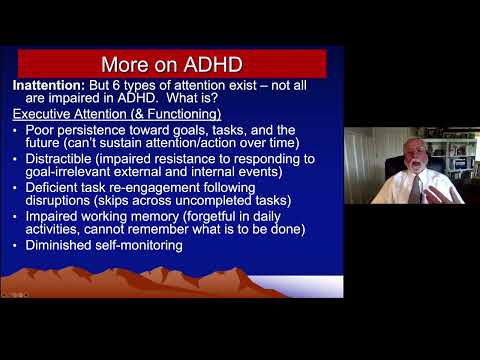
Use imagery as a GPS: hold a clear mental picture of the goal and let it steer your moment-to-moment choices toward the destination. When motivation flags, manufacture the emotion that sustains effort — visualize the finished goal and its rewards, or recall a specific past moment when you felt the drive you need and narrate it to yourself to amplify it (the same technique actors use to summon a feeling on cue). Use self-speech as a tool for control: talk yourself through a problem, ask yourself questions to surface new options, and give yourself a pep talk with explicit self-efficacy statements (‘I’ve got this, it’s only a few problems’) before and during the work. Crucially, these processes start out in childhood as visible, out-loud behaviours and only gradually go silent — so when the silent mental version is too weak to work (as it often is in ADHD), deliberately externalize it again: say the encouragement aloud, write the goal on paper and keep it in front of you, or put a physical picture of the reward in your workspace, since an external cue guides behaviour more reliably than an internal one. (Framing: Russell Barkley.)
Helps with
Resources & links
2 sources-
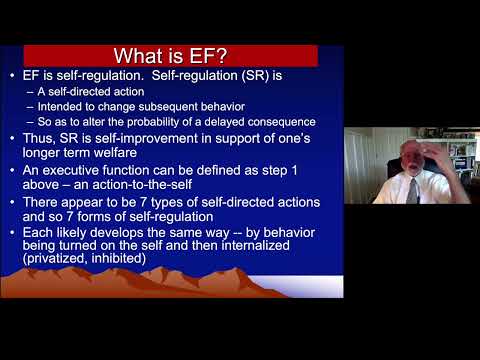 ADHD & Executive Functioning - Part 3 - Building a Theory of EF (Russell Barkley)
- 8:30 Externalize self-regulation again — it was visible before it went silent
- 17:31 Use mental imagery as a GPS toward the goal
- 18:01 Talk yourself through problems; self-interrogate for new options
- 19:02 Summon an emotion by recalling and narrating a past moment
- 20:50 Generate motivating emotion by visualizing the goal and reward
-