Size the task to the executive age, not the calendar age
In ADHD the 'executive age' — the age of self-regulation — runs roughly 30% behind chronological age, so demands sized to the real age routinely overshoot capacity. Right-size expectations, task length and supervision to the younger executive age, and break long tasks into small quotas that fit it.
This page isn't typically flagged for the selected profile — shown because you opened it directly.
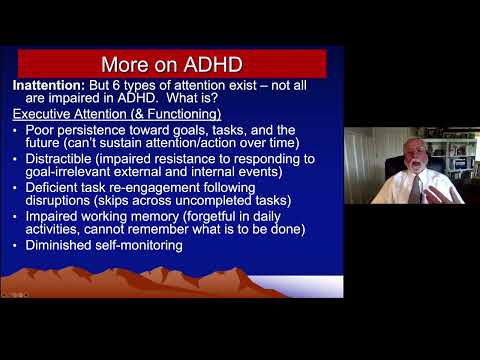
ADHD doesn’t erase the executive functions; it delays their development. As a rule of thumb the ‘executive age’ — the capacity for self-control, persistence, inhibition, time management and self-motivation — runs about 30% behind chronological age, so a 10-year-old may self-regulate like a 7-year-old, and an adult may handle demands like someone years younger. This is analogous to a reading-disabled child reading below grade level: it is a developmental delay, not a character flaw, and the frontal systems involved take roughly thirty years to fully mature.
The practical move is to set demands and supports to the executive age rather than the calendar age. Reframe load — homework, driving, dating, chores, deadlines — as you would for someone meaningfully younger, and design the task to fit that capacity: break long assignments into short units and small quotas, because a long task simply exceeds what the person can currently sustain. Doing this lifts shame (the failure is a capacity mismatch, not laziness) and lets you intervene at the real bottleneck instead of demanding more willpower. (Framing and ~30% estimate: Russell Barkley.)
Helps with
- SymptomEverything falls apart — time, mess, organisationC · weak / preliminary
- SymptomCan't get started (boring tasks)C · weak / preliminary
- SymptomI feel broken and worthlessC · weak / preliminary
- SymptomSupporting a neurodivergent loved oneC · weak / preliminary
- MechanismExecutive-function delay (and its cascade)C · weak / preliminary