Regulate emotion early — change the situation, not the feeling
In ADHD, suppressing an emotion once it has peaked is nearly impossible, so intervene early in the chain. Inventory the situations that reliably set you off and avoid or opt out of them; if you're already in one, modify it or redeploy your attention away (look away, distract, daydream) instead of trying to white-knuckle the feeling down.
This page isn't typically flagged for the selected profile — shown because you opened it directly.
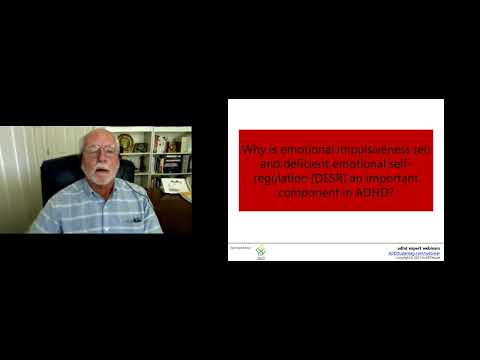
Emotion unfolds in stages — choosing the situation, attending to it, appraising it, then responding — and ADHD makes the late-stage move of suppressing a fully provoked emotion almost impossible. So the leverage is early in the chain, before the emotion is even elicited; the earlier you intervene, the more it works.
The most powerful tool is situation selection: take an inventory of the situations that commonly provoke strong emotion in you, then avoid or opt out of them where you can. When you can’t leave, modify the situation instead — change where you sit, change what you’re looking at, or distract yourself — to reduce the input feeding the emotion. And if you’re already caught in a provoking moment, redeploy your attention away from the trigger rather than staring at it: look away, cover your eyes, let your mind wander. Interrupting attention to the provocation down-regulates the emotion far faster than continuing to attend to whatever is upsetting you. Because negative emotions (impatience, frustration, anger) carry the heaviest social cost, focus this effort there first. (Framing: Russell Barkley, drawing on James Gross’s process model of emotion regulation.)