Reconsider a BPD/EUPD label if the distress is sensory
Autism in adults — especially women — is repeatedly misdiagnosed as emotionally-unstable (borderline) personality disorder, because clinicians read sensory-driven terror, shutdown and meltdown as unstable emotions. If you carry an EUPD/BPD label but never recognised yourself in self-harm or personality-disorder descriptions, it's worth asking whether autistic sensory reactions are being misread — and checking what's actually on your record.
This page isn't typically flagged for the selected profile — shown because you opened it directly.
A specific and common misattribution: the panic, terror and shutdown an autistic person feels in overloading settings get read as ‘unstable emotions’ or manipulation, and fitted to a personality-disorder frame instead of an autistic one. The tell is a mismatch you can name from the inside — carrying an EUPD or borderline label while never having recognised yourself in the self-harm or personality-disorder descriptions, and finding instead that childhood sensory indicators (restricted diet, coordination problems, clothing issues) and the shutdown/meltdown definition on a reputable autism organisation’s site map your experience from the earliest outset.
Two concrete moves follow. First, request a copy of your own medical records: a wrong diagnosis can be added silently and then drive how clinicians treat and disbelieve you for years — being treated as manipulative or ‘won’t work at it’ — without you ever knowing the entry is there. An inaccurate label usually needs an expert reassessment to get the record corrected. Second, raise the possibility with an assessor who knows the adult and female presentation, rather than assuming the original label is the whole story. The point of getting the root right is practical: distress that is neurological and sensory in origin is treated by reducing sensory load and accommodating, not by medicating a mood or personality disorder — and an accurate diagnosis can be the moment longstanding psychiatric medications get reviewed.
This is signposting, not a medical opinion: only a qualified assessor can change a diagnosis. But a label that never fit, sitting on top of lifelong sensory and shutdown history, is a legitimate reason to ask the question.
Helps with
Resources & links
2 sources-
 Late Diagnosed Autistic Women (Full Length Panel Discussion)
- 11:08 Late Diagnosed Autistic Women (Full Length Panel Discussion) — a hidden EUPD label on the file
- 11:46 Late Diagnosed Autistic Women (Full Length Panel Discussion) — sensory reactions misread as relational/manipulation
- 13:13 Late Diagnosed Autistic Women (Full Length Panel Discussion) — EUPD is the commonest wrong label
- 16:15 Late Diagnosed Autistic Women (Full Length Panel Discussion) — childhood sensory indicators mapped the experience
- 23:00 Late Diagnosed Autistic Women (Full Length Panel Discussion) — autistic reactions mistaken for something else
-
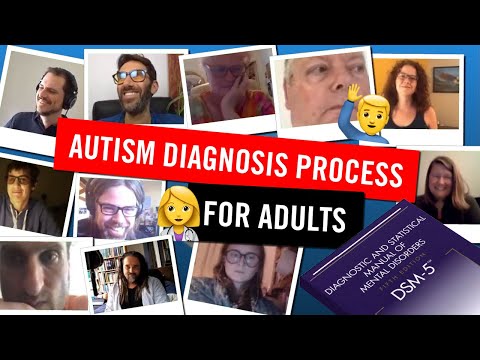 Diagnosis of Autism in Adults: Nine Autistic Adults Discuss Their Autism Diagnosis
- 22:58 Diagnosis of Autism in Adults: Nine Autistic Adults Discuss Their Autism Diagnosis — 'panic attacks' that resolve are meltdowns
- 31:36 Diagnosis of Autism in Adults: Nine Autistic Adults Discuss Their Autism Diagnosis — girls get misdiagnosed the most
- 39:53 Diagnosis of Autism in Adults: Nine Autistic Adults Discuss Their Autism Diagnosis — meds reviewed after the right diagnosis