Filtered earplugs for everyday noise
Filtering ('musician' / 'concert') earplugs dim the overall volume while still letting speech and surroundings through — the opposite of foam or sleep plugs that muffle everything. They turn a loud cafe, supermarket, station or party from uncomfortable to tolerable while you stay able to hear and talk.
This page isn't typically flagged for the selected profile — shown because you opened it directly.
For daytime sensory relief, the right earplug is a filtering one — often sold as ‘musician’ or ‘concert’ plugs — not a sleep or foam plug. Filters lower the overall sound level fairly evenly, so speech and ambient cues stay audible; by knocking down the overwhelming background more than the speech they can actually improve the signal-to-noise ratio, making a loud cafe feel easier rather than muffled. Foam and sleep plugs do the opposite: they over-occlude across frequencies, dull speech, and are a poor choice if you want to stay functional and in conversation. Carrying a pair everywhere lets you neutralise unexpected hits — supermarket music, a crowd, a station — without planning ahead.
Two fit details decide whether they work for you. First, the occlusion effect: many plugs make your own voice boom inside your head, so you compensate by whispering and get misheard — test by talking and pick ones that minimise this. Second, ears vary enormously, so no single model is universal; prefer plugs that come with multiple tip sizes and personally test comfort and own-voice feel before relying on them. Discreet in-ear plugs also dodge the social cost of over-ear defenders, which people read as ‘I’m tuned out / being rude’.
Helps with
Resources & links
2 sources-
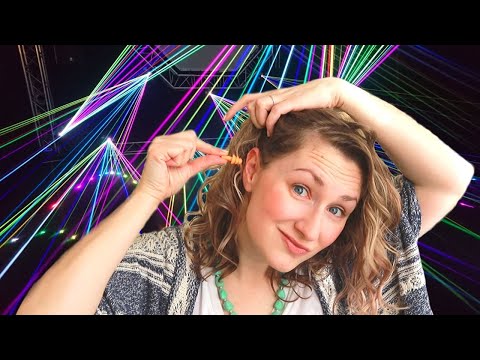 Noise cancelling earplugs: which are best?
- 0:45 Choose musician/concert earplugs, not sleep earplugs
- 1:05 Useful across cafes, airports, stations, supermarkets, gatherings
- 1:35 Discreet in-ear plugs avoid the 'rude / wearing headphones' read
- 9:00 The make-or-break property: hearing how loud you're talking
- 9:37 Everyone's ears differ — try them yourself; prefer multiple tip sizes
-
What the research says
Scientific grade verified against the literature. No entries = no direct studies (graded from mechanism/experience).
- Effectiveness of Noise-Attenuating Headphones on Physiological Responses for Children With Autism Spectrum Disordersstudy · 2019
- Effectiveness of Noise Cancelling Earbuds in Reducing Hearing and Auditory Attention Deficits in Children with Autismcohort study · 2024
- Effectiveness of Sound-Based Interventions for Improving Functional Outcomes in Children: A Systematic Review of the Evidencereview · 2025
- Hyperacusis / tinnitus retraining earplug-use evidence (sound-tolerance study, ~2003)study · 2003