Don't hold an ADHD child back a grade — get accommodations instead
Grade retention is a failed intervention repeated: it doesn't fix the underlying ADHD and instead causes lost motivation, more aggression or depression, worse peer relationships and a much higher dropout rate. Provide special-education support and accommodations early — cohorts that get them drop out at roughly the typical rate.
This page isn't typically flagged for the selected profile — shown because you opened it directly.
When an ADHD child is struggling academically, holding them back to repeat a year is a harmful response, not a helpful one. Retention is essentially repeating a failed intervention: it does not address the underlying executive deficits and instead inflicts new harms — loss of interest in learning, loss of motivation to attend, more aggression in boys and more depression in girls, worse peer relationships, and a much higher likelihood of dropping out before finishing compulsory education.
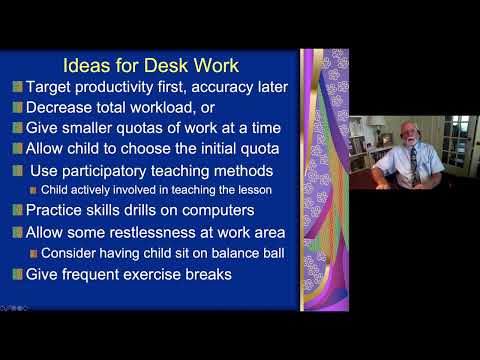
The constructive alternative is to support the child where the learning actually happens. Special-education services and in-school assistance, provided early when problems first appear, work: newer cohorts whose children received accommodations and were not retained or expelled drop out at roughly the same rate as typical peers, versus much higher dropout in older cohorts that lacked such support. Earlier medication, ideally a modern extended-release formulation that holds across the school day, further reduces educational impairment and helps more children complete their education. The rule of thumb: never solve an ADHD academic problem by retention — change the supports, not the grade. (Evidence: Russell Barkley.)
Helps with
Resources & links
2 sources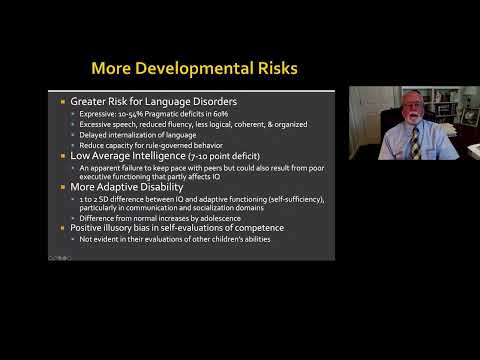
What the research says
Scientific grade verified against the literature. No entries = no direct studies (graded from mechanism/experience).
- Meta-analysis of Grade Retention Research: Implications for Practice in the 21st Century (Jimerson)meta-analysis · 2001
- Quality of Research Design Moderates Effects of Grade Retention on Achievement: A Meta-analytic, Multi-level Analysismeta-analysis · 2010
- The Effect of Grade Retention on High School Completion (NBER WP 13514 / regression-discontinuity)cohort study · 2007
- Is ADHD a Risk Factor for High School Dropout? A Controlled Studycohort study · 2013
- Systematic Review: Educational Accommodations for Children and Adolescents With ADHD (JAACAP)review · 2020
- Reconceptualizing the approach to supporting students with ADHD in school settingsreview · 2024