Corroborate an adult ADHD assessment — don't rely on self-report alone
Self-awareness is impaired in ADHD, so self-report alone badly underestimates it — interviewing only the patient catches a fraction of cases, while a parent's report can multiply detected persistence many-fold. DSM-5 now requires corroboration, so bring collateral reports from people who know you or archival records like school reports.
This page isn't typically flagged for the selected profile — shown because you opened it directly.
ADHD comes with limited self-awareness (a well-documented positive illusory bias), which means a person genuinely cannot see the full extent of their own difficulties. This has a sharp diagnostic consequence: when only the patient is interviewed, a much smaller share meets criteria, whereas adding a parent’s account can raise detected persistence roughly tenfold. Relying solely on what someone says about themselves systematically overlooks the disorder.
For that reason DSM-5 added a corroboration requirement, and the practical step is to gather collateral: reports from people who have known you over time (a parent, a partner) or, when they aren’t available, archival records such as old school reports. If you are pursuing an assessment, bring this material; if you are a clinician, seek it out rather than diagnosing from the interview alone. The point isn’t to distrust the person — it’s that the disorder itself blinds them to part of the picture, so an outside view is needed to avoid missing it. (Framing: Russell Barkley.)
Helps with
Resources & links
2 sources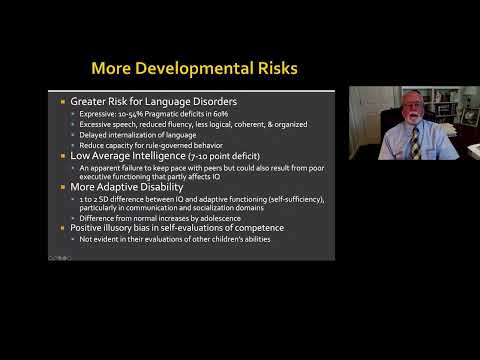

What the research says
Scientific grade verified against the literature. No entries = no direct studies (graded from mechanism/experience).
- Method of adult diagnosis influences estimated persistence of childhood ADHD: a systematic review of longitudinal studiesreview · 2016
- Self-report of ADHD shows limited agreement with objective markers of persistence and remittancecohort study · 2016
- Defining ADHD symptom persistence in adulthood: optimizing sensitivity and specificitycohort study · 2017
- How Persistent is ADHD into Adulthood? Informant Report and Diagnostic Thresholds in a Female Samplecohort study · 2016
- Determining the Accuracy of Self-Report Versus Informant-Report Using the Conners' Adult ADHD Rating Scalestudy · 2016