Assessment as a spotlight, not a pass/fail
The value of an ASD assessment doesn't depend on the result — the assessment itself acts as a spotlight, revealing what you mask and the 'unknown unknowns' that can change your life.
This page isn't typically flagged for the selected profile — shown because you opened it directly.
Reframe an assessment (e.g. for the autism spectrum) as an insight tool, not an exam to pass. The structured questioning acts as ‘unmasking’ — it forces you to question traits you took as ‘just my personality’, regardless of the final outcome.
The problem isn’t the ‘known unknowns’ but the ‘unknown unknowns’: things you don’t know you don’t know, because you mask them to please others. The assessment shines a spotlight on them. As psychiatrists put it: ‘what was the greatest thing from your ADHD diagnosis? Understanding. So why would this be any different?’.
Helps with
Resources & links
3 sources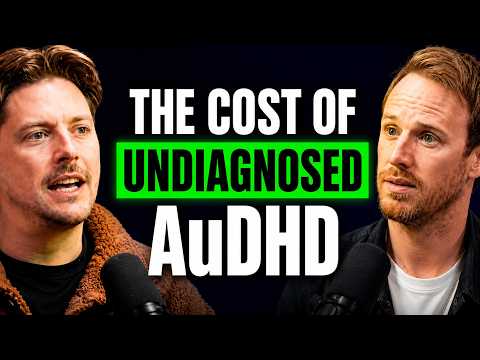

What the research says
Scientific grade verified against the literature. No entries = no direct studies (graded from mechanism/experience).
- When expectation meets experience: A qualitative analysis of serial interviews with adults before and after autism assessmentcohort study · 2024
- Understanding the Self-identification of Autism in Adults: a Scoping Reviewreview · 2023