A movement break when focus fades
Concentration wanes after a fixed window (~20 minutes). A short physical break — shoot some hoops, a quick walk — resets attention and prevents total disengagement. As one teacher put it: lose them for 10 minutes, or lose them for the whole day, week, or career.
This page isn't typically flagged for the selected profile — shown because you opened it directly.
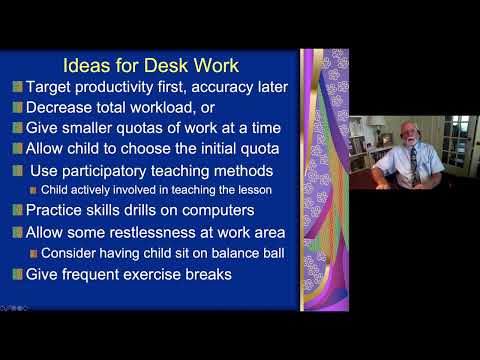
Attention runs on a window, not an infinite line — for many neurodivergent people concentration starts to fade after roughly twenty minutes, and pushing past that point doesn’t recover it, it loses it. A short physical break is the reset. One teacher kept an ADHD student engaged by handing him a basketball to shoot hoops for ten minutes whenever his concentration window expired, then bringing him back in; her reasoning was exact — ‘I might lose him for those ten minutes, but if I don’t, I’ll lose him for the whole day, if not the week, if not his educational career.’ The general practice is to build regular movement and exercise breaks into work or instruction, and to allow a short physical reset when attention visibly drops rather than forcing continuous sitting. The break is not time lost; it is what buys back the next window. This works for adults at a desk as much as children in a classroom — schedule the break before the wall, and treat a movement reset as part of the work, not an interruption to it.